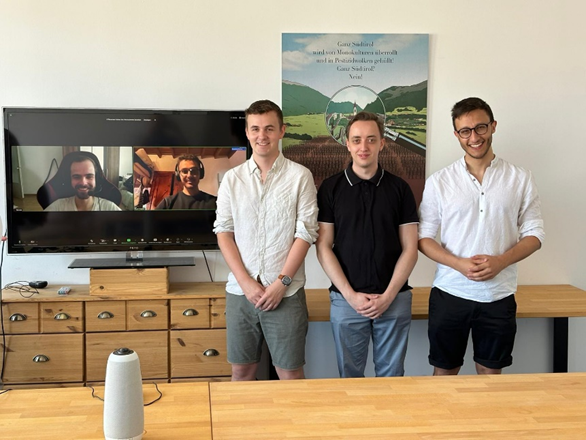
LuzVista: Illuminating the Path for Rural Electrification in Bolivia

An interdisciplinary student team from the Munich University of Applied Sciences’ Co-Innovation Lab developed “LuzVista,” a data visualization platform, during the summer semester of 2025. In partnership with the NGO “Luces Nuevas Internacional”, the team created the solution to simplify solar energy data analysis to help authorities and decision-makers make smarter and faster decisions for sustainable energy projects in rural communities in Bolivia.

The Challenge of Turning Data into Light

Developing nations like Bolivia face a major challenge in strategically planning rural electrification. Government authorities and funding bodies depend on clear and compelling data to make sound investment decisions, but this data is often difficult to obtain. This information gap creates a major bottleneck that slows the deployment of sustainable energy and impacts community well-being. This means that many families still rely on candlelight after sunset, making daily activities like schoolwork and household chores as well as life as a whole incredibly difficult.

This reality drives NGOs like Luces Nuevas Internacional, who partner with technology provider Zimpertec to deploy solar home generators in rural areas. While these systems provide valuable operational data for strategic planning, the data itself presented a significant challenge. It was complex and required time-consuming manual transcription into spreadsheets. The fundamental problem was that this static data was not persuasive enough to build a compelling case for action. It was difficult for Luces Nuevas to clearly demonstrate community needs or prove the impact of existing systems to local authorities and decision-makers, which hindered strategic investment.

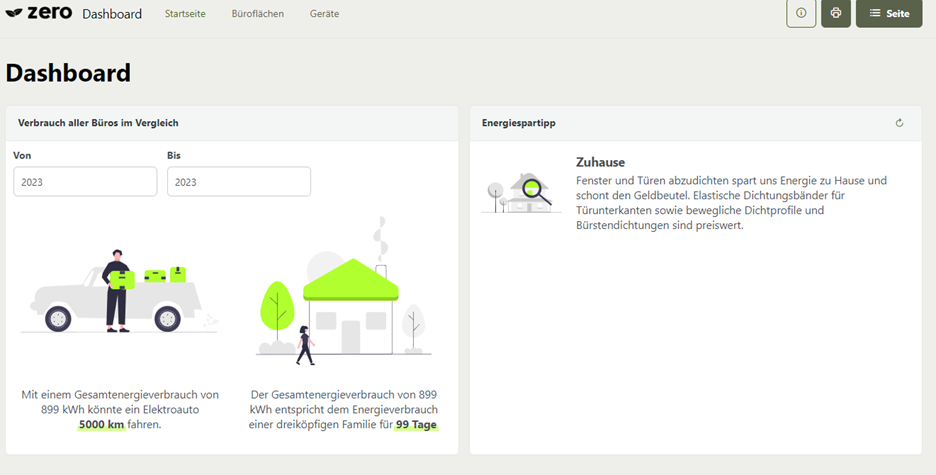
LuzVista Prototype Screenshots

LuzVista: A Clearer View for a Brighter Future

To tackle this challenge, our student Co-Innovation Lab team developed LuzVista, a user-friendly data platform designed to turn raw data into clear and actionable insights. The platform features a central hub for generator management, data uploads, and an interactive map that links geographical locations directly to performance and usage dashboards.

The solution directly addresses the core pain points of the “As-Is” process by allowing a Luces Nuevas representative to simply upload the raw data files collected from the field. The LuzVista system, powered by a Metabase dashboard, then automatically processes and visualizes the information with easy to interpret graphs and metrics.

“This platform is a valuable tool for us. Its ability to create a clear visual presentation and highlight key diagnostics helps us analyze and present our results much faster. By improving our tools this way, we increase the value of the strategic discussion about achieving Universal Access to Energy in Bolivia.” said Roberto Ayala of Luces Nuevas Internacional.

(Mr. Ayala’s responses were consolidated and edited for clarity and length.)

By automating data analytics, LuzVista gives Luces Nuevas the power to build a compelling, data-driven case for rural electrification. The platform provides the clear, visual evidence needed to gain support from decision-makers, accelerate strategic decisions, and secure the funding to bring sustainable energy to the families who need it most.

LuzVista Prototype Screenshots
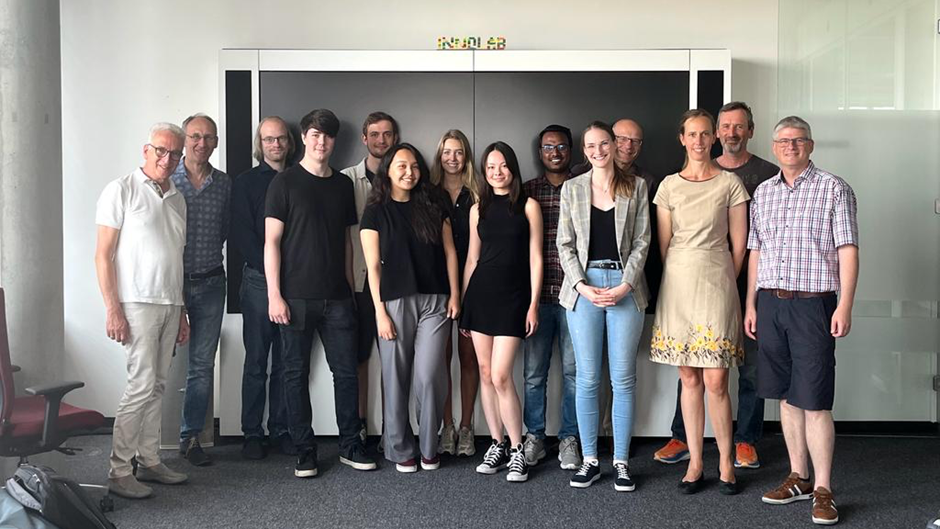
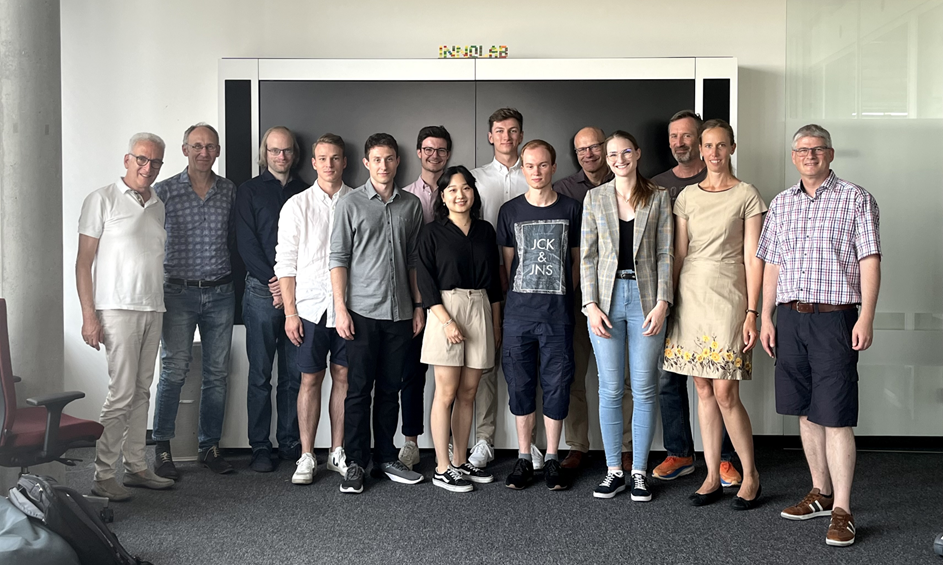
The Co-Innovation Lab Project Team meets with two Luces Nuevas representatives in front of the University of Applied Sciences Lothstraße Campus. Pictured (l. to r.): Jason White, Konul Baghirova, Yalnaz Baig, Alexander Kluge, Illia Spasonov, Magnus Potter, Ronald Cavero (Luces Nuevas), Roberto Ayala (Luces Nuevas). Not pictured: Jan Funk (Co-Innovation Lab Project Team). – Source: Personal photo

About the Co-Innovation Lab

This solution was designed in a project of the Co-Innovation Lab of Hochschule München guided by the lecturers Prof. Dr. Holger Günzel, Prof. Dr. Lars Brehm, Prof. Dr. Markus Thimmel, Prof. Dr. Johannes Ebke and Mr. Hans-Jürgen Haak. The Co-Innovation Lab offers students a virtual platform for learning how to work as a consulting team by creating temporary partnerships between companies, students, and lecturers.

For more information about the Co-Innovation Lab, contact holger.guenzel@hm.edu or lars.brehm@hm.edu.

  • Project results:
  • Project Team: LuzVista

OBSTPLAN: Empowering Landowners to Create Orchard Meadows and Boost Biodiversity

Meadow orchards, traditional ecosystems rich in biodiversity, are biodiverse landscapes, where widely spaced fruit trees are combined with natural grasses and wildflowers, creating a habitat that supports wildlife while producing food. These traditional ecosystems are rich in biodiversity and preserve the cultural and ecological heritage of regions like Bavaria. Yet, these orchards have been in significant decline due to urbanization and economic pressures. OBSTPLAN addresses this pressing challenge by offering a simple, user-friendly solution to help landowners and communities restore these valuable landscapes.

Bavaria has lost approximately 60% of its meadow orchards in recent decades. These natural habitats, vital for countless insects, birds, and other wildlife, have been replaced by industrial agriculture and urban development. As meadow orchards vanish, so too does the biodiversity they support. Despite available land and resources, many potential orchard developers lack the knowledge or tools needed to plan and maintain these ecosystems effectively. Furthermore, relevant information is often scattered across numerous websites and, in some cases, remains insufficiently digitized.

OBSTPLAN is here to bridge that gap. Designed as an centralized and intuitive digital platform, it empowers users to:

  • Plan and manage meadow orchards tailored to their specific land conditions.
  • Access localized recommendations for fruit tree varieties.
  • Learn about subsidies and funding opportunities to support their efforts.
Color-coded map and recommended apple tree varieties

As one early user noted, “OBSTPLAN makes it easy to transform unused land into vibrant ecosystems that benefit both the environment and the community.”

Traditional meadow orchards, once common in Bavaria, are more than just agricultural spaces. The loss of these orchards, driven by economic and urban pressures, has reduced biodiversity and led to the extinction of many native fruit varieties.

To combat this, OBSTPLAN integrates technology and ecological expertise, providing actionable guidance for restoring these vital landscapes. With its interactive features, OBSTPLAN simplifies decision-making, allowing users to:

  • Evaluate their land’s potential for orchard development.
  • Select optimal tree varieties based on soil quality and other factors.
  • Navigate the often-complicated funding landscape.

Users can view color-coded maps that recommend suitable apple tree varieties based on soil conditions and regional factors. Green indicates that the soil is excellent for the apple variety, yellow indicates a mixed soil type where the apple could also be planted, and red suggests avoiding planting the variety in that soil. These insights ensure that users can optimize their efforts for both productivity and biodiversity.

OBSTPLAN is designed for beginners and experts alike. It plans to expand its offerings with educational workshops and community initiatives, fostering a culture of environmental stewardship.

In collaboration with the Rotary Club Neuburg an der Donau, OBSTPLAN promotes sustainable agriculture and biodiversity. The platform’s user-friendly interface and practical features save time and reduce barriers for farmers, landowners, and community groups, enabling them to contribute to a greener Bavaria.

Team and client Holger Pilgenröther (Rotary Neuburg)

OBSTPLAN’s initial focus is on Bavarian landscapes, particularly around Neuburg an der Donau. By providing localized solutions, it addresses specific regional needs while setting the stage for broader applications. Supported by the Rotary Club, OBSTPLAN aims to expand its reach, empowering communities across Germany to restore biodiversity and cultivate sustainable landscapes.
The success of OBSTPLAN demonstrates the power of collaboration between academia, industry, and community organizations. Developed by students from the University of Applied Sciences Munich (HM) and Tampere University of Applied Sciences (TAMK), OBSTPLAN is a shining example of innovation in action.
With OBSTPLAN, the future of Bavaria’s meadow orchards is in your hands. Transform underused land into thriving ecosystems and play a role in preserving biodiversity for generations to come. Together, we can cultivate a greener, more sustainable future.

.

About the Co-Innovation Lab

This solution was designed in a project of the Co-Innovation Lab of Hochschule München guided by the lecturers Prof. Dr. Holger Günzel, Prof. Dr. Lars Brehm, Prof. Dr. Jessica Slamka, Mr. Hans-Jürgen Haak, Ms. Anne Mari Stenbacka and Mr. Jere Käpyaho. The Co-Innovation Lab offers students a virtual platform for learning how to work as a consulting team by creating temporary partnerships between companies, students, and lecturers.

For more information about the Co-Innovation Lab, contact holger.guenzel@hm.edu or lars.brehm@hm.edu.

  • Project results:

EnerWeave: Finding the perfect system for you to optimize energy consumption

Students develop a new application to match a unique set of energy devices with the perfect system to combine them, centralizing energy management and optimizing consumption.

As more homeowners transition to smart homes, the demand for effective Home Energy Management Systems (HEMS) has grown significantly. HEMS combine all energy devices, providing a unified energy overview and enabling centralized optimization of energy consumption. However, finding the perfect HEMS that connects individual devices can be complex and time consuming often accompanied by an overwhelming influx of information.

To tackle this challenge, the Co-Innovation Lab, which brings together students from Munich University of Applied Sciences and Tampere University of Applied Sciences, has developed EnerWeave together with SPINE GmbH, a Munich-based clean energy technology start-up. EnerWeave is a user-friendly application that recommends the optimal HEMS based on a household’s individual energy setup.

The application could be launched by SPiNE GmbH. Keep an eye out and give it a try!

The idea was to make it easy for the user to transition to sustainable and cost-effective energy management. By simply selecting the hardware from the list of devices provided, EnerWeave creates a customized overview of the home’s energy setup. It then analyzes this setup and provides real-time recommendations for the most suitable HEMS, highlighting key features and offering a direct link to the recommended system. EnerWeave ensures that the recommended HEMS is compatible with the devices the user already owns, while also helping them plan future hardware purchases based on the supported HEMS ecosystem.

By simply selecting devices from the list, the individual setup can be created for analysis.

“EnerWeave is a great tool for closing the information-gap between HEMS providers and customers / installers in search of a suitable HEMS. The Co-innovation lab has helped us to rapidly design and develop the application. SPiNE is definitely planning to launch and extend this as a product in the near future.” – Cooperation Partner, Dr. Martin Stötzel

EnearWeave was developed in collaboration with 11 students from different countries including Germany, Finland, Czech Republic, India and Mexico. With different academic backgrounds including Business Administration, Digital Technology Management and Computer Science, the students managed to create a high-quality software that matches the vision of SPiNE.

The team (names from left to right and top to bottom): Lilian Gnann, Angelica Bravo, Pranav Deep, Krutika Konwar, Terezie Rajtarova, Anna Kulovuori, Jonna Kyllönen, Sebastian Stumpf, Mikko Pasanen, Aleksi Väätäinen, Otto Melentjeff

The students worked closely with SPiNE’s founders and partners. Direct and regular feedback ensured that the project was adapted to the needs and requirements of the start-up.

About the Co-Innovation Lab

This solution was designed in a project of the Co-Innovation Lab of Hochschule München guided by the lecturers Prof. Dr. Holger Günzel, Prof. Dr. Lars Brehm, Prof. Dr. Jessica Slamka, Mr. Hans-Jürgen Haak, Ms. Anne Mari Stenbacka and Mr. Jere Käpyaho. The Co-Innovation Lab offers students a virtual platform for learning how to work as a consulting team by creating temporary partnerships between companies, students, and lecturers.

For more information about the Co-Innovation Lab, contact holger.guenzel@hm.edu or lars.brehm@hm.edu.

  • Project results:

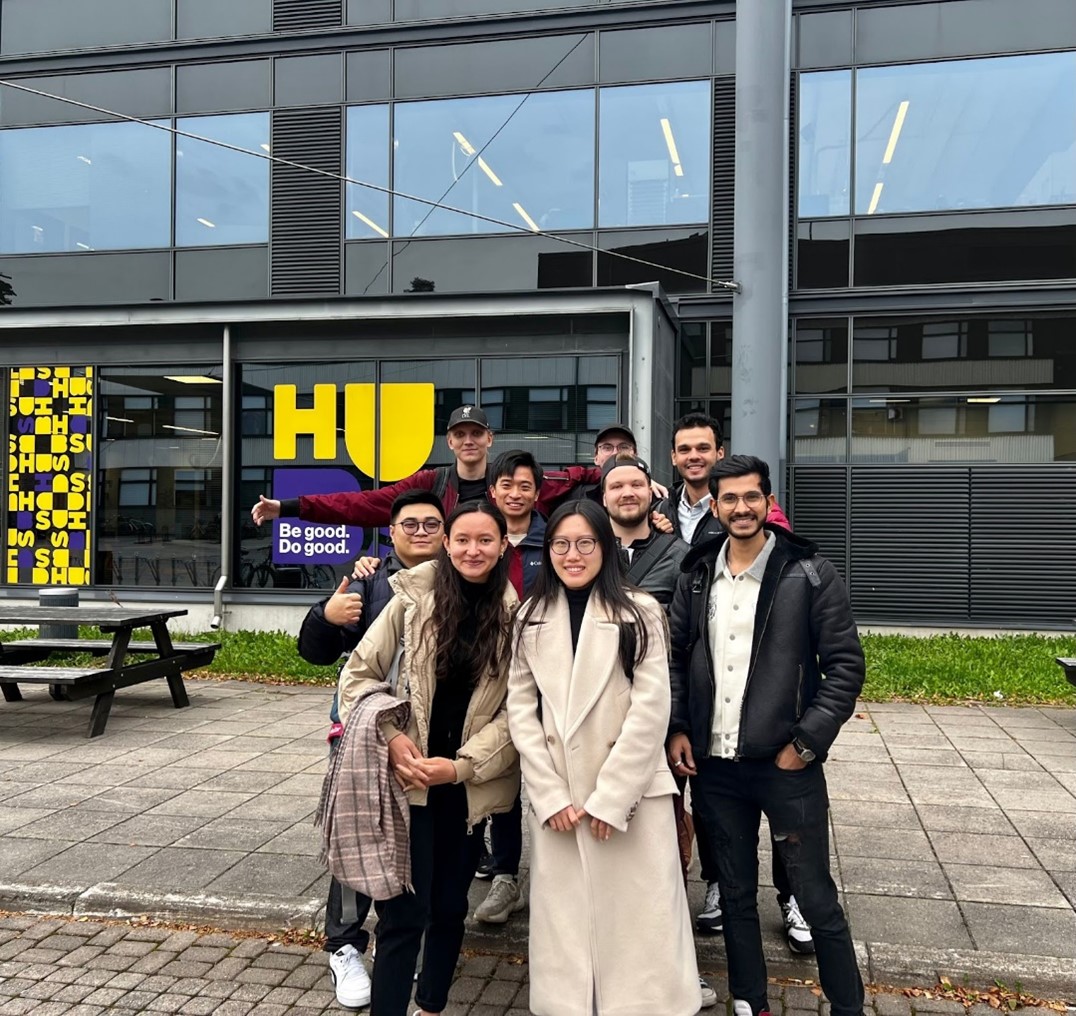
Launching the intuitive “HM InsightHub” dashboard, enabling access to real-time sensor data at Hochschule München

How can professors and lecturers at Hochschule München (HM) make their teaching more practical? As part of the Co-Innovation Lab (CIL), the project team has transformed the complexity of sensor data collected in the buildings of HM into an intuitive, user-friendly dashboard. By providing quick and effortless access, the team has changed the way lecturers and students interact with real-time data.
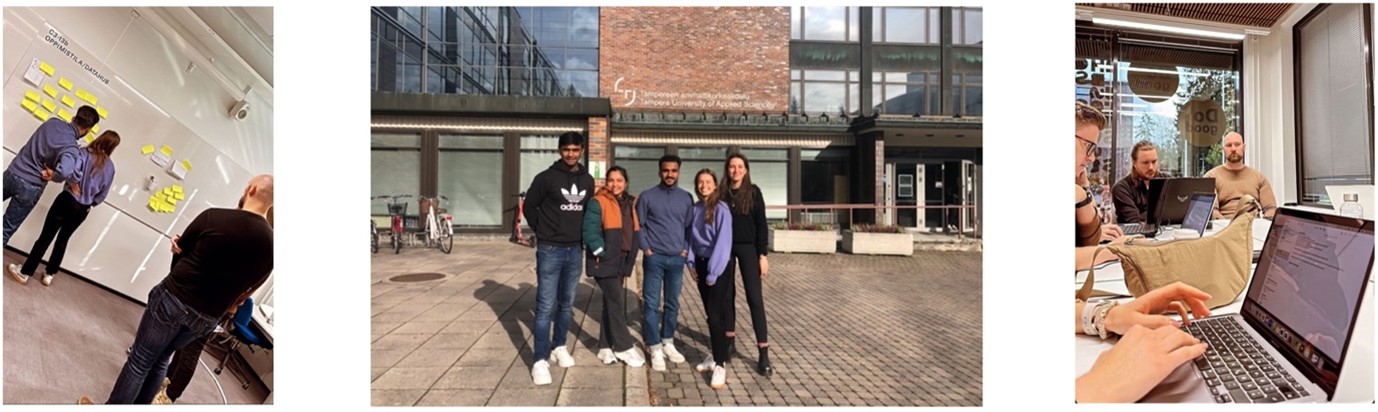
Project Kick-Off at Tampere University in Tampere, Finland; f.l.t.r.. Syed Shah Noor Hussain, Josephine Brand, Jesse Schemeikka, Sohaib Raja, Shivani Singh, Sabrina Strughold, Masi Soranummi, Jari Pimiä, Ville Lindgren (Fotograf: Sohaib Raja & Unknown)

Addressing the challenge involves eliminating time-consuming obstacles and bottlenecks faced by HM lecturers and students when retrieving HM’s sensor data. The opportunity lies in enabling educators to autonomously establish an optimal learning environment and allowing students to apply theoretical knowledge in practical settings, facilitated by the newly introduced HM InsightHub.

As a university of applied sciences, HM offers practice-based programs for global careers. HM InsightHub enables lecturers to easily access and retrieve authentic real-time data for their students to practically learn data science through real projects working with sensor data. Based on the existing infrastructure of sensors, networks and gateways, the team streamlined the various sources into one central dashboard that allows the user to customize and download a dataset based on their needs. In collaboration with the client Prof. Dr. Johannes Ebke of the faculty for Computer Science and potential end users, the team identified the most pressing need. As said by Prof. Dr. Ebke: “By picking this use case, the team has enhanced the software product that I had in mind and made it more useful for everyone.”

During the development phase, the project team ensured that the solution is scalable. In future, the dashboard will be able to be equipped with additional data sources and expanded as required. Furthermore, the data will not only be made available to Munich University of Applied Sciences, but also to other universities to encourage research. Additionally, the team also provided Prof. Dr. Ebke with a mobile webpage that enables him to track sensor health and improves the day-to-day maintenance of the sensors installed at HM.

The cross-cultural team is composed of a group of Master’s students from the Digital Technology Management program at HM as well as Finnish Computer Science students from Tampere University of Applied Sciences (TAMK). The cooperation was not without challenges, because everyone needed some time to warm towards each other, but near the end the team came together as one and leveraged the capabilities of modern technology to enable close communication across the two programs. The team was supported by the course instructors Prof. Dr. Holger Günzel, Prof. Dr. Lars Brehm and Prof. Dr. Slamka, as well as Hans-Jürgen Haak, coach for agile working, as well as Jere Käpyaho and Annemari Stensbacka to ensure the project was a complete success.

About the Digital Innovation Lab and the Co-Innovation Lab

This solution was designed in a joint project between the Digital Transformation Lab and the Co-Innovation Lab of Hochschule München guided by the lecturers Prof. Dr. Holger Günzel, Prof. Dr. Lars Brehm, Prof. Dr. Jessica Slamka, Hans-Jürgen Haak, Jere Käpyhao and Anne Mari Stenbacka (TAMK). The Co-Innovation Lab offers students a virtual platform for learning how to work as a consulting team by creating temporary partnerships between companies, students, and lecturers.

For more information about the Co-Innovation Lab, contact holger.guenzel@hm.edu or lars.brehm@hm.edu.

This Co-Innovation Lab project was carried out in cooperation with the Digital Transformation Lab (DT.Lab) at Munich University of Applied Sciences:

“The Digital Transformation Lab (DT.Lab) at Munich University of Applied Sciences is dedicated to the major social challenges of our time. Together with stakeholders in the private sector, students develop future-oriented solutions. We live digital transformation.”

More information about the Co-Innovation Lab and the Digital Transformation Lab (DT.Lab) at Munich University of Applied Sciences:

Authors: Project team
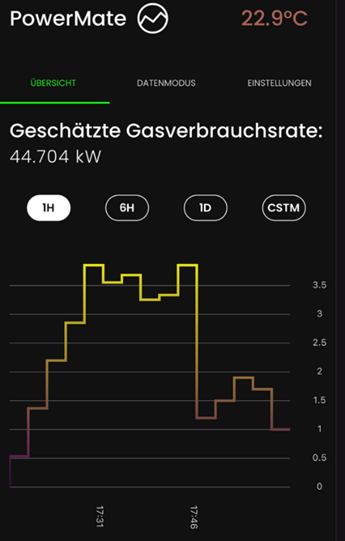
GreenTect: Securing sustainable construction for education buildings 

In an era marked by environmental consciousness and the pressing need for sustainable solutions, educational institutions are grappling with the challenge of managing their ecological footprint with sustainable construction. Recognizing this imperative, students from Hochschule München and Tampere University of Applied Sciences (TAMK) have collaboratively developed a web-based project management solution for sustainable buildings tailored for Solidar Planungswerkstatt to unveil GreenTect—an innovative solution poised to revolutionise how we monitor and enhance sustainability in educational classroom building.

Time-consuming process and lack of collaborative workflow

The educational project building landscape grapples with three key challenges. Firstly, the task of template selection consumes valuable time, posing a hurdle to efficient project initiation. Second, the fragmentation of project information hampers seamless collaboration among team members, leading to inefficiencies and communication gaps. Third, the search for reliable sustainability criteria resembles a treasure hunt, scattered across various resources. Addressing these challenges requires a strategic solution which simplifies template selection, enhances team collaboration, and consolidates sustainability criteria for educational projects. This integrated approach aims to streamline processes, foster teamwork, and empower decision-makers in the realm of educational project management.

Bridging the Gap with GreenTect 

“Solidar Planungswerkstatt has been at the forefront of sustainable construction, and GreenTect is a testament to their commitment” – Dr. Günter Löhnert, Founder of Solidar Planungswerkstatt

Enter GreenTect—an intelligent, user-friendly platform designed to cultivate sustainability in every aspect of construction projects. Navigating the complexities of educational project management, our web application introduces a transformative solution for sustainability coordinators. 

  • The template builder offers access to a diverse array of pre-designed templates tailored for various sustainability projects. 
  • Robust customization tools empower coordinators to edit templates, ensuring precise alignment with project requirements. 
  • Collaborative document space acts as a shared workspace, facilitating real-time contributions, reviews, and feedback from team members. 

Hence, this trifecta of features creates a centralised hub for streamlining template selection, customization as well as team collaboration for a more efficient and successful journey through the complexities of sustainable educational building projects.“The collaborative effort from the team has yielded a solution with immense potential to transform how we approach sustainability in building projects. I am confident in the positive impact it will bring to the industry.” Dr. Günter Löhnert.

About the Digital Innovation Lab and the Co-Innovation Lab

This solution was designed in a joint project between the Digital Transformation Lab and the Co-Innovation Lab of Hochschule München guided by the lecturers Prof. Dr. Holger Günzel, Prof. Dr. Lars Brehm, Prof. Dr. Jessica Slamka, Hans-Jürgen Haak, Jere Käpyhao and Anne Mari Stenbacka (TAMK). The Co-Innovation Lab offers students a virtual platform for learning how to work as a consulting team by creating temporary partnerships between companies, students, and lecturers.

For more information about the Co-Innovation Lab, contact holger.guenzel@hm.edu or lars.brehm@hm.edu.

This Co-Innovation Lab project was carried out in cooperation with the Digital Transformation Lab (DT.Lab) at Munich University of Applied Sciences:

“The Digital Transformation Lab (DT.Lab) at Munich University of Applied Sciences is dedicated to the major social challenges of our time. Together with stakeholders in the private sector, students develop future-oriented solutions. We live digital transformation.”

More information about the Co-Innovation Lab and the Digital Transformation Lab (DT.Lab) at Munich University of Applied Sciences:

Authors: Project team
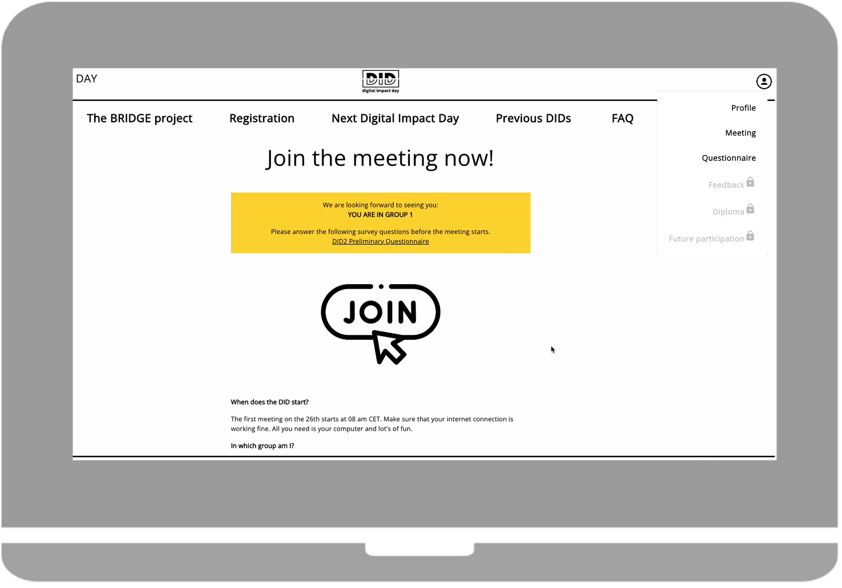
Introducing “Ask Binny”: Improving student engagement to ensure waste separation on campus

To ensure the fulfillment of sustainability goals, Tampere University of Applied Sciences (TAMK) aims to improve the waste separation of students on campus. Within the context of a Co-Innovation Lab and DTLab project, students from TAMK collaborated with students from Hochschule München (HM) to launch a web application “Ask Binny” aiming to increase student engagement in waste separation.

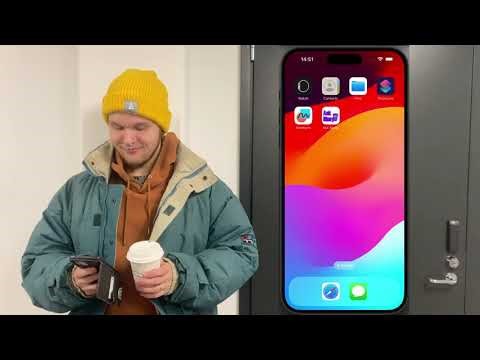
Screenshot “Ask Binny” (Video created by Yesim Kerim Kaya)

Sustainability in focus

In order to uphold sustainability goals and decrease the cost caused by unsorted waste, a functioning waste management is required at TAMK. Additionally, TAMK is a holder of the Ekokompassi certificate which requires that a certain percentage of all waste on campus is recycled. While the interest in sustainability topics among students is high, unclear instructions contribute to a lack of engagement in waste sorting. This results in incorrect sorting, detracting from TAMKs sustainability efforts.

A simple solution for a complex issue

With the support of facility management in the persons of Silja Kostia and Saana Raatikainen from TAMK, the project team is now introducing “Ask Binny”. The web application offers guidance for students by identifying waste types and offering information on the location of the right bins on campus.  It thereby focuses on eliminating the complexities and unclear instructions that contribute to inefficient waste sorting. The mascot Binny the Bin is designed to simplify the often-complex task of waste sorting for students and improve engagement. With the “Ask Binny” web application, students now have access to centralized information, clarification of where and how to sort, and the confidence to determine the appropriate disposal method for their waste.

Fostering a movement throughout TAMK

“Ask Binny” is already available in building C and targets the most common waste items found on campus. Additionally, the integrated map feature enables students to effortlessly locate the most suitable disposal bins. As the client confirmed, “Ask Binny” is informative in a simple and positive way. It enables TAMK to foster a widespread movement towards sustainable waste management practices as the facility management at TAMK will take over the web application to further develop it.

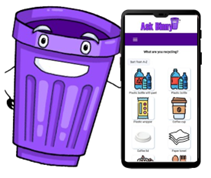
Introducing Binny the Bin and the “Ask Binny” web application (Picture taken by Chiara Dietz)

One of the main challenges that became initially evident in the context of the project was the necessity of managing the diversity of the team through the usage of clear communication. Because of this, communication channels as well as teamwork schedules were agreed understanding and listening to each of the members involved. This was of utter importance since given the fact that the project was primarily conducted in an online setting most of the job was done on an asynchronous manner. The project demonstrated the vital importance of incorporating diverse cultural insights and varied professional expertise, which collectively contributed to a robust exchange of ideas and substantially enriched the collaborative process. Coordination of team skills toward a common goal in the context of an international IT project proved to be not only the key challenge of the project but also an invaluable learning output for the whole team.

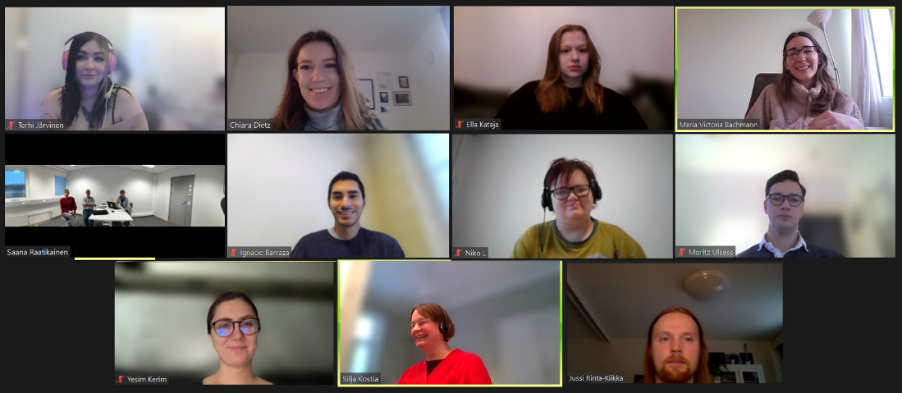
Online Meeting with TAMK clients (Picture taken by Chiara Dietz)

The web application was developed by an international project team consisting of Maria Victoria Bachmann, Ignacio Barraza, Yesim Kerim Kaya, Chiara Dietz (Master students from the DTM-programme) and Moritz Ulsess Bachelor student in Business Administration at HM) and Terhi Järvinen, Ella Kataja, Niko Lähteinen, Jussi Rinta-Kiikka (Bachelor in Computer Science from TAMK).  at HM) and Terhi Järvinen, Ella Kataja, Niko Lähteinen, Jussi Rinta-Kiikka (Bachelor in Computer Science from TAMK). “Ask Binny” was developed in the context of modules of HM and TAMK under Hans-Jürgen Haak, Prof. Dr. Lars Brehm, Prof. Dr. Holger Günzel, Prof.  Dr. Jessica Slamka, Anne-Mari Stenbacka and  Jere Käpyaho.

Get to know more about “Ask Binny” in the following video.

About the Digital Innovation Lab and the Co-Innovation Lab

This solution was designed in a joint project between the Digital Transformation Lab and the Co-Innovation Lab of Hochschule München guided by the lecturers Prof. Dr. Holger Günzel, Prof. Dr. Lars Brehm, Prof. Dr. Jessica Slamka, Hans-Jürgen Haak, Jere Käpyhao and Anne Mari Stenbacka (TAMK). The Co-Innovation Lab offers students a virtual platform for learning how to work as a consulting team by creating temporary partnerships between companies, students, and lecturers.

For more information about the Co-Innovation Lab, contact holger.guenzel@hm.edu or lars.brehm@hm.edu.

This Co-Innovation Lab project was carried out in cooperation with the Digital Transformation Lab (DT.Lab) at Munich University of Applied Sciences:

“The Digital Transformation Lab (DT.Lab) at Munich University of Applied Sciences is dedicated to the major social challenges of our time. Together with stakeholders in the private sector, students develop future-oriented solutions. We live digital transformation.”

More information about the Co-Innovation Lab and the Digital Transformation Lab (DT.Lab) at Munich University of Applied Sciences:

Authors: Chiara Dietz

Facilitation of work through digitization at Willari

Willari, a specialized sports equipment repair and rental business in Finland, aims to implement a digital solution to enhance customer satisfaction. The six-member team from Finland, led by directors Annika and Jonas, embarked on a collaborative journey with the Co-Innovation Lab’s consulting team, initiating an open-ended process that began with an intensive problem-finding phase involving all stakeholders.

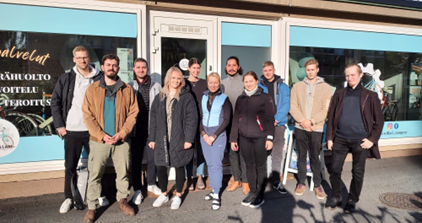
The project team in front of Willari’s store in Tampere. Present Persons (l. to r.): Lukas Schindler, Macit Oner, Emir Hakan Yasar, Lotta Tuominen, Ella Muja, Annika Viiala, Adolf Blissé, Maria Turunen, Joni Jyrinki, Jani Stedt,  Johan Lummeranta,  Source: Personal photo

Internal processes with the greatest potential for digitization and benefit

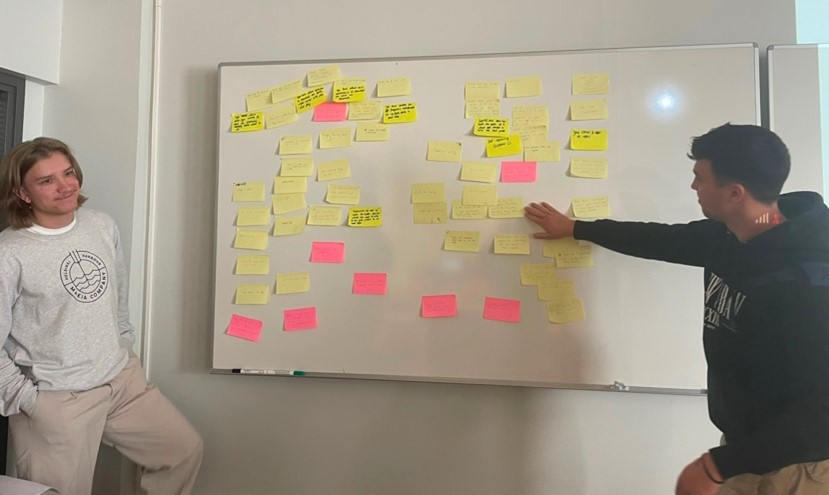
Through extensive interaction with Willari’s employees, the consulting team concluded that the primary beneficiaries of a digital solution, beyond the website, would be not the customers but specifically the repair team, whose work had been predominantly paper-based. Following the project’s kickoff in Finland, the interdisciplinary team, comprising six German master students and five Finnish bachelor students, began agile development work virtually, generating initial ideas and visions. The team was supported by the course instructors Prof. Dr. Holger Günzel, Prof. Dr. Lars Brehm, Prof. Dr. Jessica Slamka and Hans-Jürgen Haak.

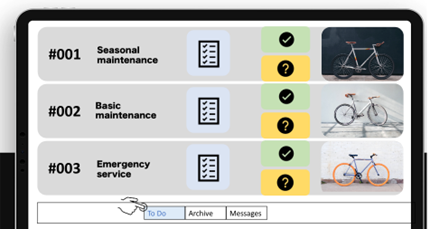
Screenshot of the digital solution

Facilitating work through an easy-to-use digital solution

The web-based prototype offers the potential to manage the key work processes of the Tampere team digitally, eliminating paper waste. From customer onboarding in the bike shop to repair instructions for workshop staff and customer communication—everything can be captured and managed digitally within a single tool. Additionally, the solution serves as a starting point for a data-driven approach, capable of evaluating various data points to enhance customer service. Given the dynamic environment, especially during peak seasons, the development work focused on creating an easily navigable solution that meets the demands of workshop staff.

For the client Willari, the project was a success: “The project team working on Willari’s assignment did a great job overall, although the assignment was challenging and required development and brainstorming. The project team actively contacted Willari´s staff and listened to their wishes and requirements. We enjoyed working with the project team!”.

About the Digital Innovation Lab and the Co-Innovation Lab

This solution was designed in a joint project between the Digital Transformation Lab and the Co-Innovation Lab of Hochschule München guided by the lecturers Prof. Dr. Holger Günzel, Prof. Dr. Lars Brehm, Prof. Dr. Jessica Slamka, Hans-Jürgen Haak, Jere Käpyhao and Anne Mari Stenbacka (TAMK). The Co-Innovation Lab offers students a virtual platform for learning how to work as a consulting team by creating temporary partnerships between companies, students, and lecturers.

For more information about the Co-Innovation Lab, contact holger.guenzel@hm.edu or lars.brehm@hm.edu.

This Co-Innovation Lab project was carried out in cooperation with the Digital Transformation Lab (DT.Lab) at Munich University of Applied Sciences:

“The Digital Transformation Lab (DT.Lab) at Munich University of Applied Sciences is dedicated to the major social challenges of our time. Together with stakeholders in the private sector, students develop future-oriented solutions. We live digital transformation.”

More information about the Co-Innovation Lab and the Digital Transformation Lab (DT.Lab) at Munich University of Applied Sciences:

Authors: Lukas Schindler

Revolutionizing Solar Maintenance in rural areas with Solar InsightZ

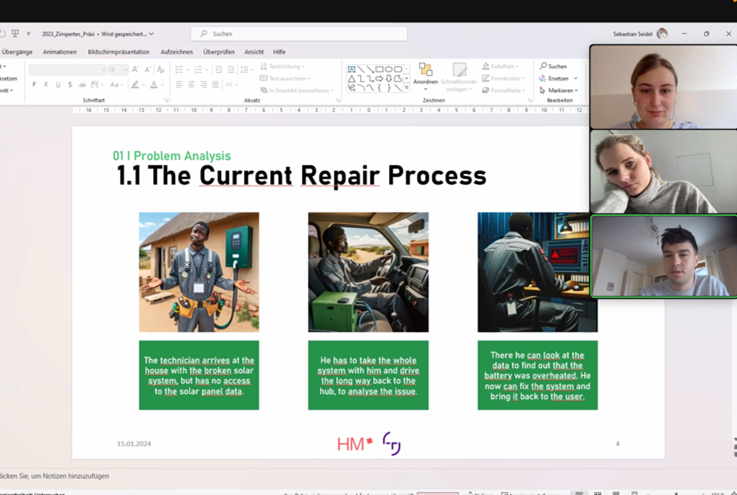
Zimpertec is a german company producing solar systems for people living in rural areas worldwide. The after-sales service and repairment process for solar technicians has been a complicated and time-consuming process until now. Technicians were not able to analyze the system data, repair the system immediately and always had to bring the system back to a central hub.

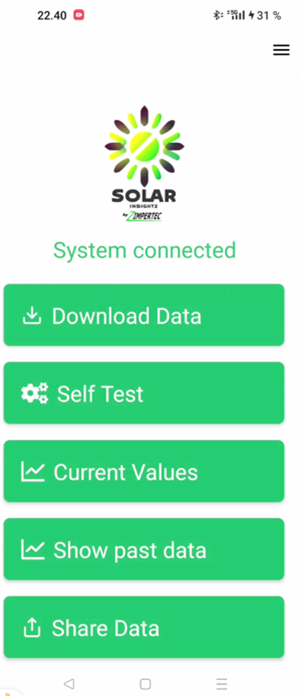
Prototype SolarInsightZ

Through Solar InsightZ, technicians are now able to connect their smartphone to the solar system and access vital data of the system and receive error notifications. Making solar system data accessible and visible to technicians is boosting the efficiency of the maintenance process and minimizing downtimes.

The development of a prototype by the students from HM and TAMK (Sophie Gliese, Hilla Hotakainen, Minna Nguyen, Adriana Rutzki, Johanna Schlotter, Sebastian Seidel, Oskar Vainio, Tuomas Virtanen, Jana Weinmann)

According to Zimpertecs COO Ulrich Zimmermann:  “Solar InsightZ extends Zimpertec’s product USP (Unique Selling Proposition) with a further core element of better and simpler usability. In addition, it simplifies after sales support through a faster and more efficient error identification “.

In a time when sustainable practices are not only encouraged but expected, the development of energy efficient solutions is of great importance. Zimpertec recognizes the importance of responsible practices in the solar industry. The implementation of Solar InsightZ will help significantly reducing the environmental impact by curbing E-Waste. In the future technicians will also have the possibility of data sharing with Zimpertec. This improved data collection will serve a dual purpose. It not only ensures effective data analytics but also sets the stage for future sustainable product development of solar systems.

A collaborative effort

The development of Solar InsightZ was a collaboration between students from a variety of academic backgrounds, including digital technology management, business administration and computer science. The project was executed in close cooperation with Zimpertec and Mr. Zimmermann. This has been central to adapting the application to the specific needs of the industry. Furthermore, the work was guided by experienced course instructors – Prof. Dr. Holger Günzel, Prof. Dr. Lars Brehm, Prof. Dr. Jessica Slamka, Jere Käpyhao and Anne Mari Stenbacka- and further enhanced by the strategic input of Agile Work Coach Hans-Jürgen Haak. This joint effort was key to the success of the project, as it combined academic knowledge with practical application.

About the Digital Innovation Lab and the Co-Innovation Lab

This solution was designed in a joint project between the Digital Transformation Lab and the Co-Innovation Lab of Hochschule München guided by the lecturers Prof. Dr. Holger Günzel, Prof. Dr. Lars Brehm, Prof. Dr. Jessica Slamka, Hans-Jürgen Haak, Jere Käpyhao and Anne Mari Stenbacka (TAMK). The Co-Innovation Lab offers students a virtual platform for learning how to work as a consulting team by creating temporary partnerships between companies, students, and lecturers.

For more information about the Co-Innovation Lab, contact holger.guenzel@hm.edu or lars.brehm@hm.edu.

This Co-Innovation Lab project was carried out in cooperation with the Digital Transformation Lab (DT.Lab) at Munich University of Applied Sciences:

“The Digital Transformation Lab (DT.Lab) at Munich University of Applied Sciences is dedicated to the major social challenges of our time. Together with stakeholders in the private sector, students develop future-oriented solutions. We live digital transformation.”

More information about the Co-Innovation Lab and the Digital Transformation Lab (DT.Lab) at Munich University of Applied Sciences:

Authors: Project team
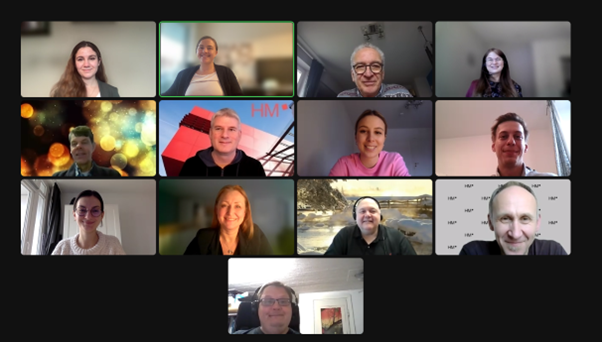
CoolVent: The Smart Way to Control Your Ventilation System

‘CoolVent’, a solution for efficient ventilation control across the university campus, is being developed by a team of experts from the Co-Innovation lab at University of Applied Sciences in Munich. The application contributes to the possibility of reducing energy consumption and therefore save costs and expenses.

High energy consumption and the resulting rising costs

In times of energy transition and climate change, the focus is on particularly high energy consumption, which can be reduced through intelligent applications. Also public institutions want to and have to contribute to a sustainable future. Nevertheless traditional ventilation systems are often inefficient and can lead to unnecessary energy consumption, since smart technologies are not yet being used in this context. This ultimately leads to higher costs for the facility. Therefore a lot of energy is consumed for cooling rooms that are not used. Building energy consumption has become a major concern for facility management teams and university departments.

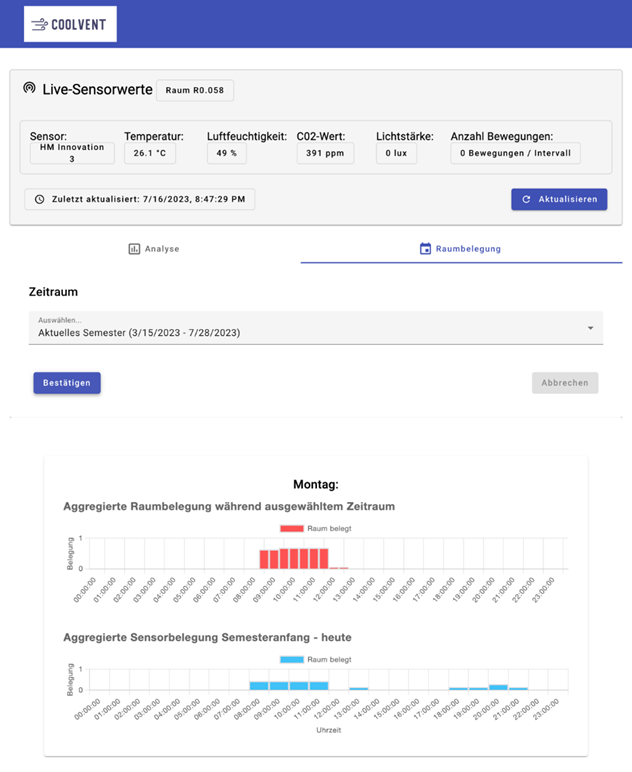
CoolVent Application

Data generated insights for energy saving

“Showing the potential of data generated insight for energy saving” – With this mission statement as a guiding principle, Matthias Maier, research associate at HM, commissioned the expert team. In the context of helpful coaching by Prof. Dr. Lars Brehm, Prof Dr.-Ing. Holger Günzel, Prof. Dr. Johannes Ebke, and Hans Jürgen Haak, the student team developed a concept and the accompanying application ‘CoolVent’ that is useful for energy saving by optimizing ventilation settings. The student team is composed of the business students Fabian Langseder, Laura Lenk and Benedikt Henning and IT students Aleksandar Culafic, Laurenz Fuchs, Julia Kassapidis, Maximilian Reichl and Yannik Zbick.

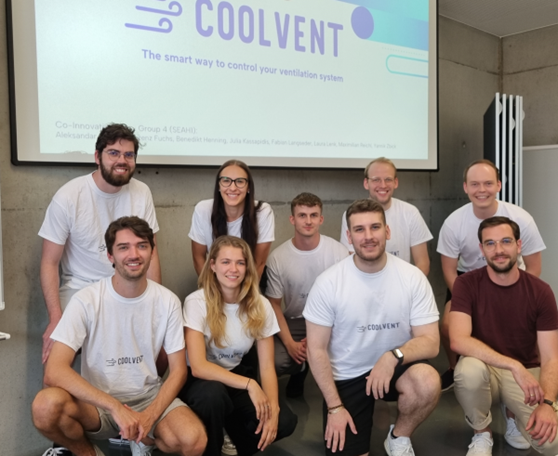
Team CoolVent (from left to right and top to bottom): Maximilian Reichl, Laura Lenk, Fabian Langseder, Benedikt Henning, Laurenz Fuchs, Julia Kassapidis, Yannik Zbick, Alexandar Culafic, Matthias Maier

“Through an application that is precisely developed according to the stakeholder needs and directly with the users feedback, we want to make energy saving simple and transparent” – Scrum Master from the ‘CoolVent’ Team. ‘CoolVent’ is a user-friendly web-application that allows facility managers to increase efficiency of the controlling for the ventilation systems according to room occupancy and air quality data. The system utilizes data gathered by sensors installed in several rooms across the campus and obtains important information about the semester planning. The room plan is then aggregated and displayed in a transparent view to help the facility manager to efficiently adjust the ventilation at the beginning of the semester. In addition, with sensor data, very granular adjustments can be made regularly, based on recommendations from live sensor data, which measures whether a room was actually occupied at the planned times This allows fine adjustments to be made at regular intervals throughout the semester.

„The ‘CoolVent’ System, developed by the student team, can be used by the facility management to improve operation times of their ventilation systems. This would lead to significant reductions of the universities energy demand, as well as operational costs.”– Cooperation Partner, Matthias Maier.

Video Music: https://freemusicarchive.org/music/REW_1123/dead-sea/the-lowest-place-on-earthmp3/

About the Digital Innovation Lab and the Co-Innovation Lab

This solution was designed in a joint project between the Digital Transformation Lab and the Co-Innovation Lab of Hochschule München guided by the lecturers Prof. Dr. Holger Günzel, Prof. Dr. Lars Brehm, Prof. Dr. Johannes Ebke and Hans-Jürgen Haak. The Co-Innovation Lab offers students a virtual platform for learning how to work as a consulting team by creating temporary partnerships between companies, students, and lecturers.

For more information about the Co-Innovation Lab, contact holger.guenzel@hm.edu or lars.brehm@hm.edu.

This Co-Innovation Lab project was carried out in cooperation with the Digital Transformation Lab (DT.Lab) at Munich University of Applied Sciences:

“The Digital Transformation Lab (DT.Lab) at Munich University of Applied Sciences is dedicated to the major social challenges of our time. Together with stakeholders in the private sector, students develop future-oriented solutions. They are supported by Amazon Web Services with state-of-the-art cloud technologies and the Working Backwards innovation methodology. We live digital transformation.”

More information about the Co-Innovation Lab and the Digital Transformation Lab (DT.Lab) at Munich University of Applied Sciences:

Authors: Project team
Introducing „WasteNoBite” — An innovative way to track food waste and reduce it in commercial kitchens

As part of the Co-Innovation Lab, a student group from Hochschule München develops a groundbreaking system to tackle food waste in commercial kitchens by generating valuable insights on wasted food types through computer vision and machine learning algorithms.

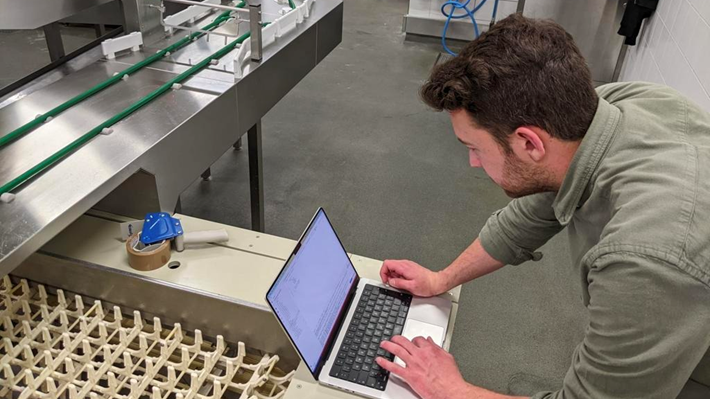
Co-Founder Simon Riepl installing the Raspberry Pi Camera in the IT-Rathaus Canteen.                              Photo Credit: Fabian Eckardt

An Urgent Need for Optimized Tracking of Food Waste

Commercial kitchens providing meals for schools and hospitals often find uneaten food being left behind, but are left in the dark about exactly what food items are disliked by their customers. This not only leads to wasted food, which negatively affects the environment, but is also problematic from a business perspective as it affects the financial performance of the kitchen.

For a fresh perspective on how food waste can be measured within kitchens, the InnovationLab of the IT department of the City of Munich commissioned the consulting team of the Co-Innovation Lab of the Munich University of Applied Sciences (HM) consisting of both business and IT students. The consulting team received support from their professors as well as a project coach from the InnovationLab.

Enabling Smart Food Waste Management

The prototype utilizes a Raspberry Pi camera to provide accurate and reliable data on the wasted food items. This data, presented on an intuitive dashboard, empowers commercial kitchen managers to optimize their menu planning and operations more effectively – resulting in a reduction of food waste and notable cost savings.

„We wanted to make a positive impact on the environment by tackling the issue of food waste“, said Sophia Huber, co-founder of WasteNoBite. “By leveraging the power of advanced algorithms and computer vision, we can help kitchens reduce their food waste and save money in the process, which can be reinvested in an even better experience for the customers.”

Executive presentation at the headquarters of InnovationLab; persons present (from left to right): Lecturer Hans-Jürgen Haak, Prof. Dr.-Ing. Holger Günzel from HM, Dr. Johannes Ebke from HM, HM students Fabian Eckardt, Merlin Reiter, Zhibek Abdykalykova, Sophia Huber, Selina Göttle and Mozammel Hossain, Lena Barth and Dr. Stefanie Lämmle with two colleagues from the InnovationLab, Prof. Dr. Lars Brehm from HM. Photo Credit: HM Contributor

Pioneering in Food Waste Recognition with Artificial Intelligence

The positive impact of WasteNoBite is also being recognized by Dr. Stefanie Lämmle, the head of the InnovationLab of IT@M. “The idea stems from the belief that artificial intelligence possesses the transformational power to tackle global food waste effectively. With this product, we not only want to revolutionize the recognition of food waste, but also make a positive contribution to sustainability and create a better future for our planet.”

Increase efficiency and improve sustainability today with WasteNoBite’s innovative system for data-driven insights and instant feedback!

About the Digital Innovation Lab and the Co-Innovation Lab

This solution was designed in a joint project between the Digital Transformation Lab and the Co-Innovation Lab of Hochschule München guided by the lecturers Prof. Dr. Holger Günzel, Prof. Dr. Lars Brehm, Prof. Dr. Johannes Ebke and Hans-Jürgen Haak. The Co-Innovation Lab offers students a virtual platform for learning how to work as a consulting team by creating temporary partnerships between companies, students, and lecturers.

For more information about the Co-Innovation Lab, contact holger.guenzel@hm.edu or lars.brehm@hm.edu.

This Co-Innovation Lab project was carried out in cooperation with the Digital Transformation Lab (DT.Lab) at Munich University of Applied Sciences:

“The Digital Transformation Lab (DT.Lab) at Munich University of Applied Sciences is dedicated to the major social challenges of our time. Together with stakeholders in the private sector, students develop future-oriented solutions. They are supported by Amazon Web Services with state-of-the-art cloud technologies and the Working Backwards innovation methodology. We live digital transformation.”

More information about the Co-Innovation Lab and the Digital Transformation Lab (DT.Lab) at Munich University of Applied Sciences:

Authors: Project team